Learn how to design, deploy, and govern AI agents that work — for teams using AI as a real competitive advantage, not just proofs of concept.
A 12-minute video overview of the mental model designed to help you cut through constant AI changes and build agentic systems that last.
Field notes on AI agents that work — selected articles on designing, deploying, and governing AI agents in the real world.

Unreadable to you, fully readable to a model. Researchers opened 315,320 sealed AI reasoning blocks, found credentials that survive scrubbing, and planted an instruction another model obeyed as its own.
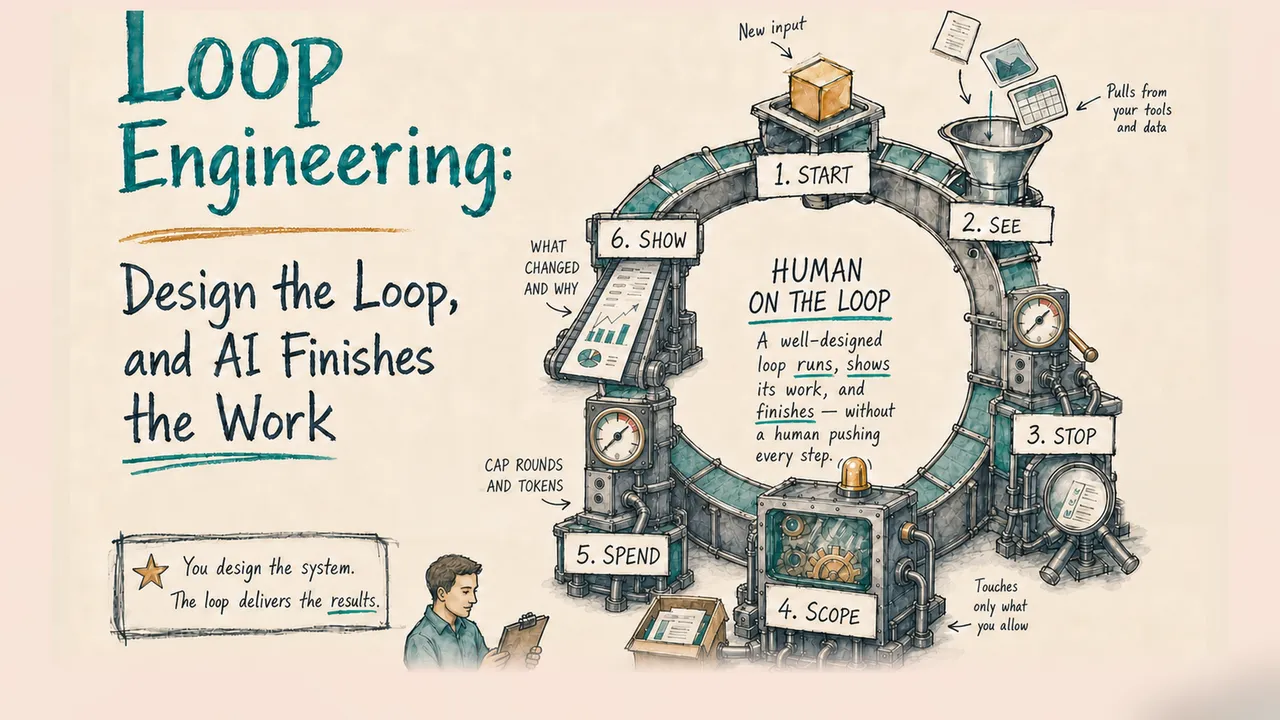
Six questions for AI work that can continue safely, stop on evidence, and return the decisions that still need you.
A practical framework for designing AI loops that keep work moving, stop on evidence, and hand back the decisions that still need human judgment.
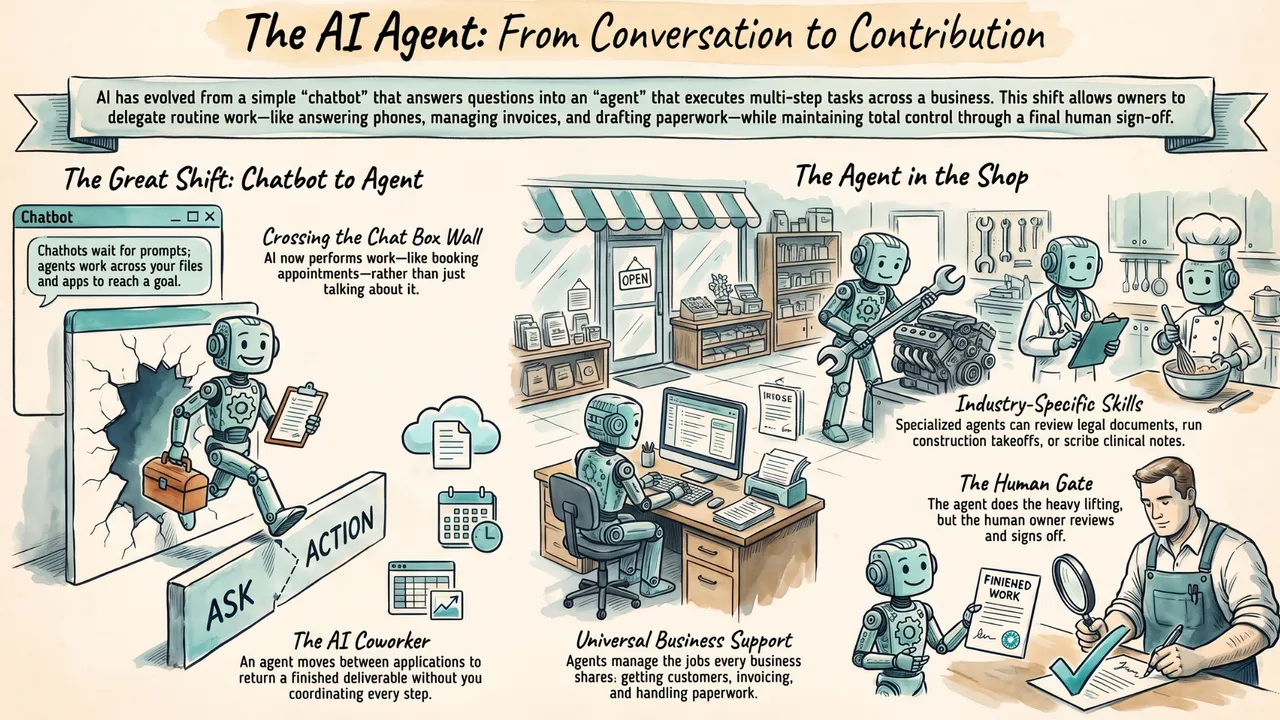
AI has crossed a line: the chatbot you ask has become an agent that does the work. A practical guide to what it can do in your industry — and how to start.
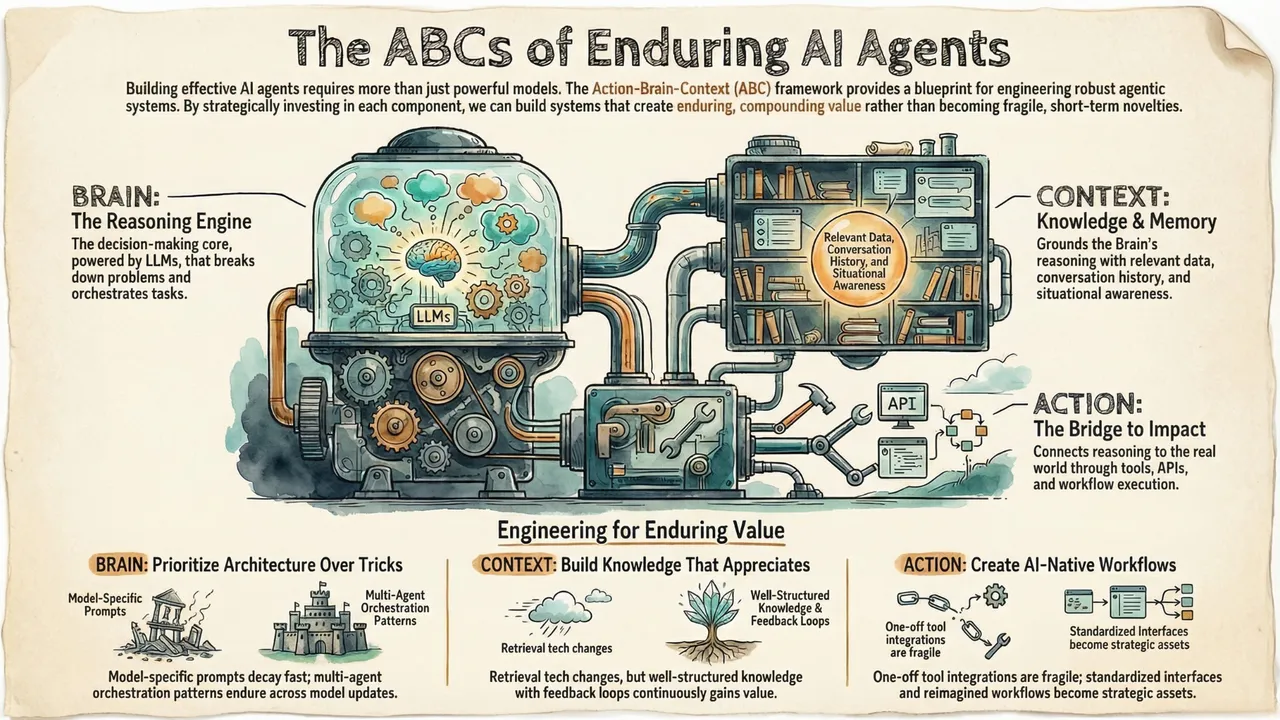
Introduce the Action-Brain-Context (ABC) framework for AI Agent Engineering and how to leverage it to create systems that adapt, learn and compound.
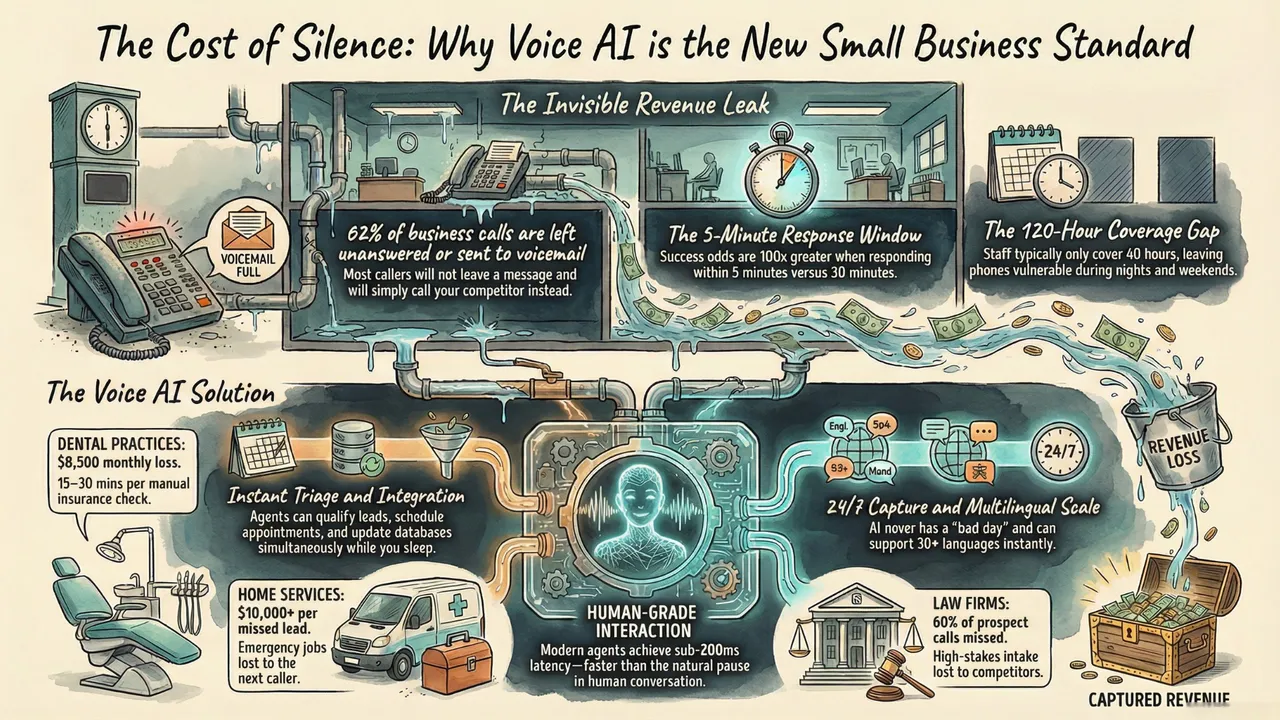
Small businesses miss 25-62% of calls—and most callers won't leave voicemail. Voice AI Agents capture this invisible revenue loss around the clock.
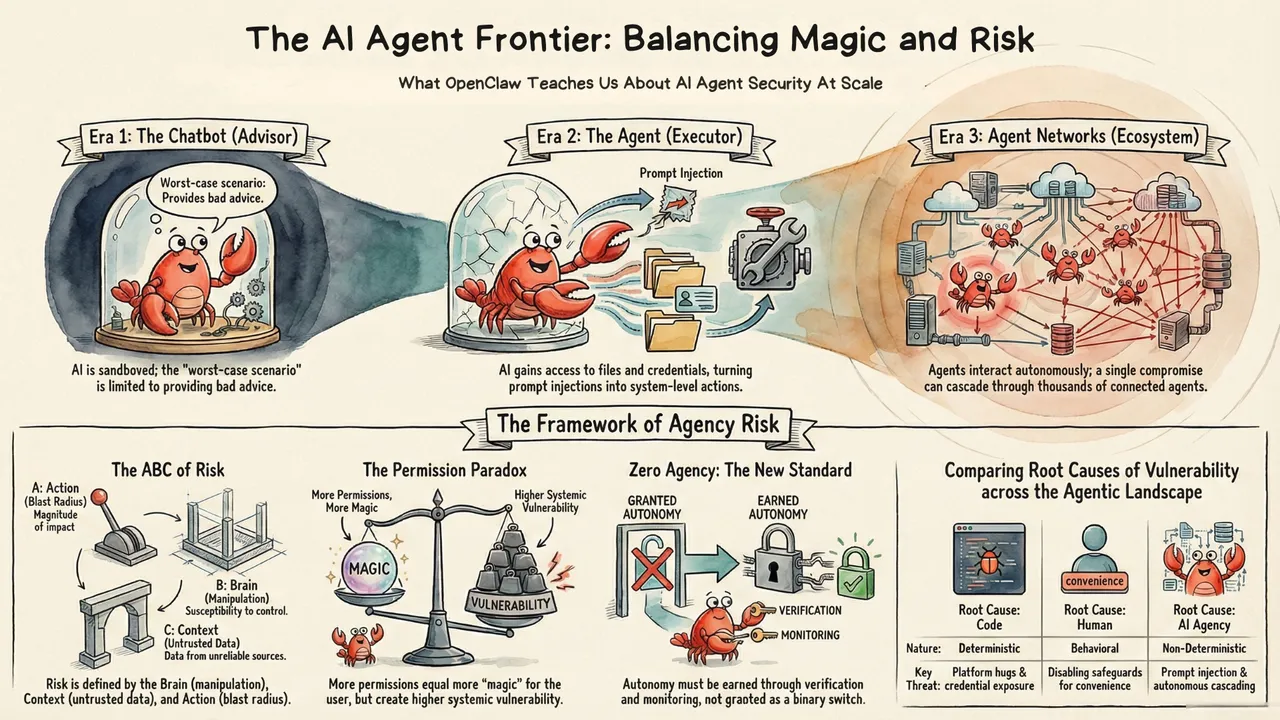
A Security Analysis of OpenClaw and the AI Agent Era
OpenClaw is the defining case study for AI agent security at scale. A framework for understanding attack surfaces, root causes, and the Zero Agency principle.
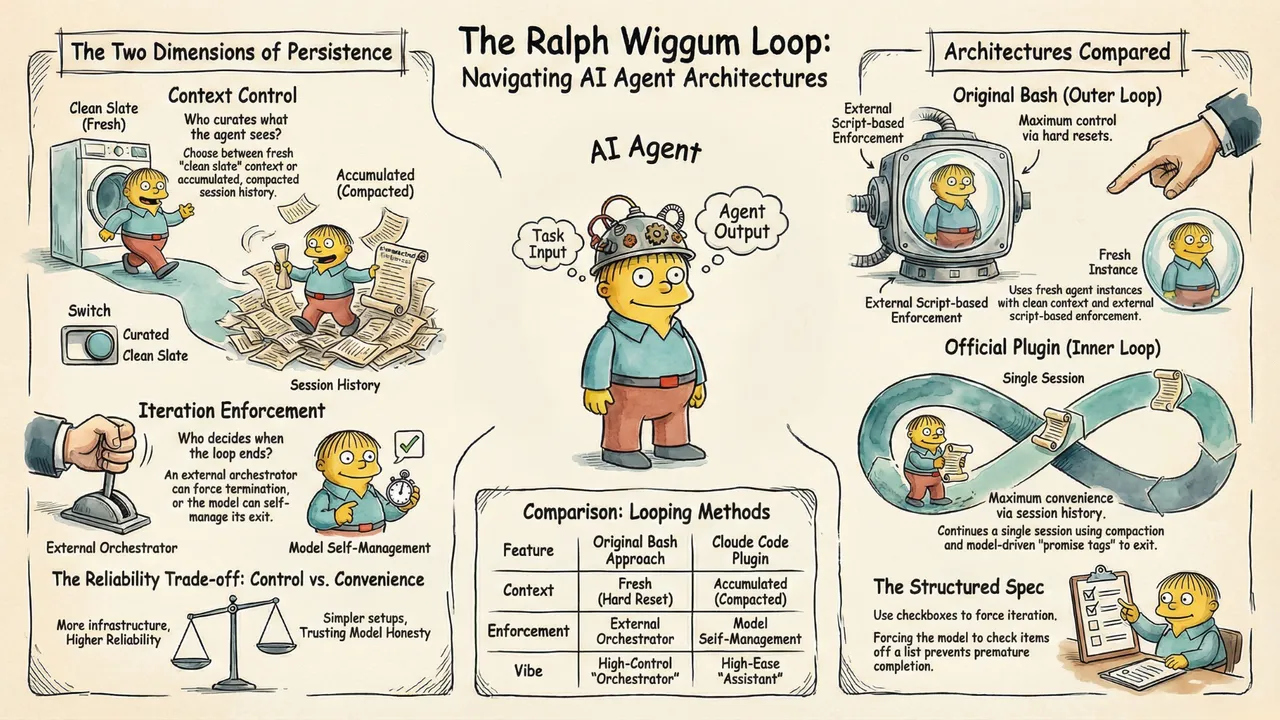
Ralph Wiggum Loop lets your AI agent keep crunching for hours. Learn the two dimensions—context and enforcement—that determine which approach fits your task.
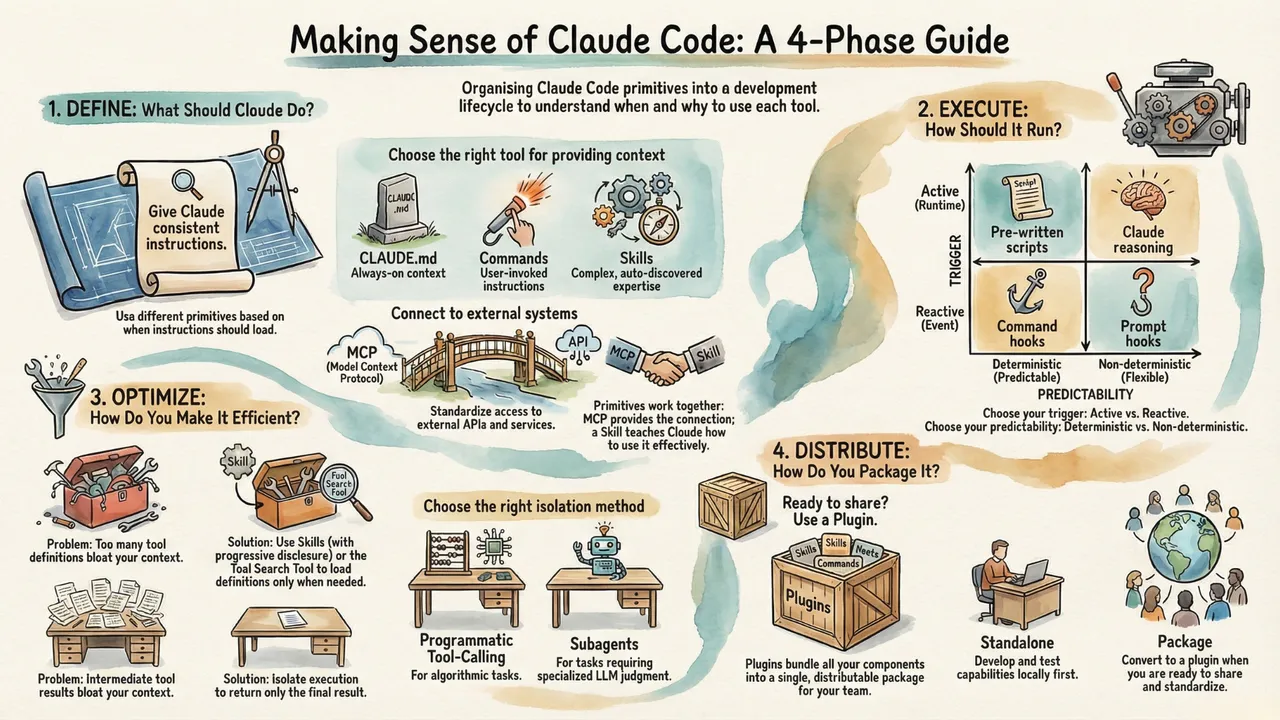
Confused by Skills, MCP, Subagents, Commands, Plugins? The Capability Lifecycle shows you when to use each—so you get maximum value from the agentic AI tools.
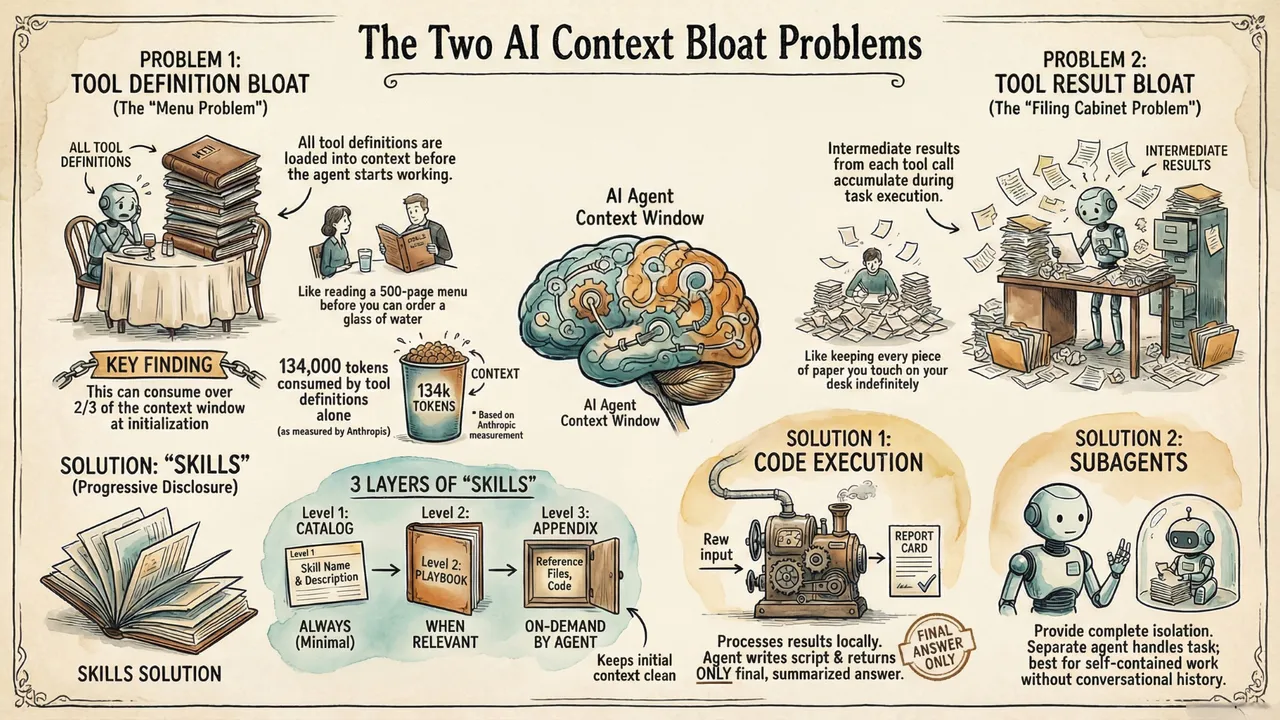
AI Agent hitting context limits too fast? Tool definition bloat and tool result accumulation are two major causes—Each needs a different solution. Here's how.
Showing 9 of 21 articles
View all articlesLearn by building real agents, not just reading about them.
Step-by-step tutorials that take you from zero to working agents.
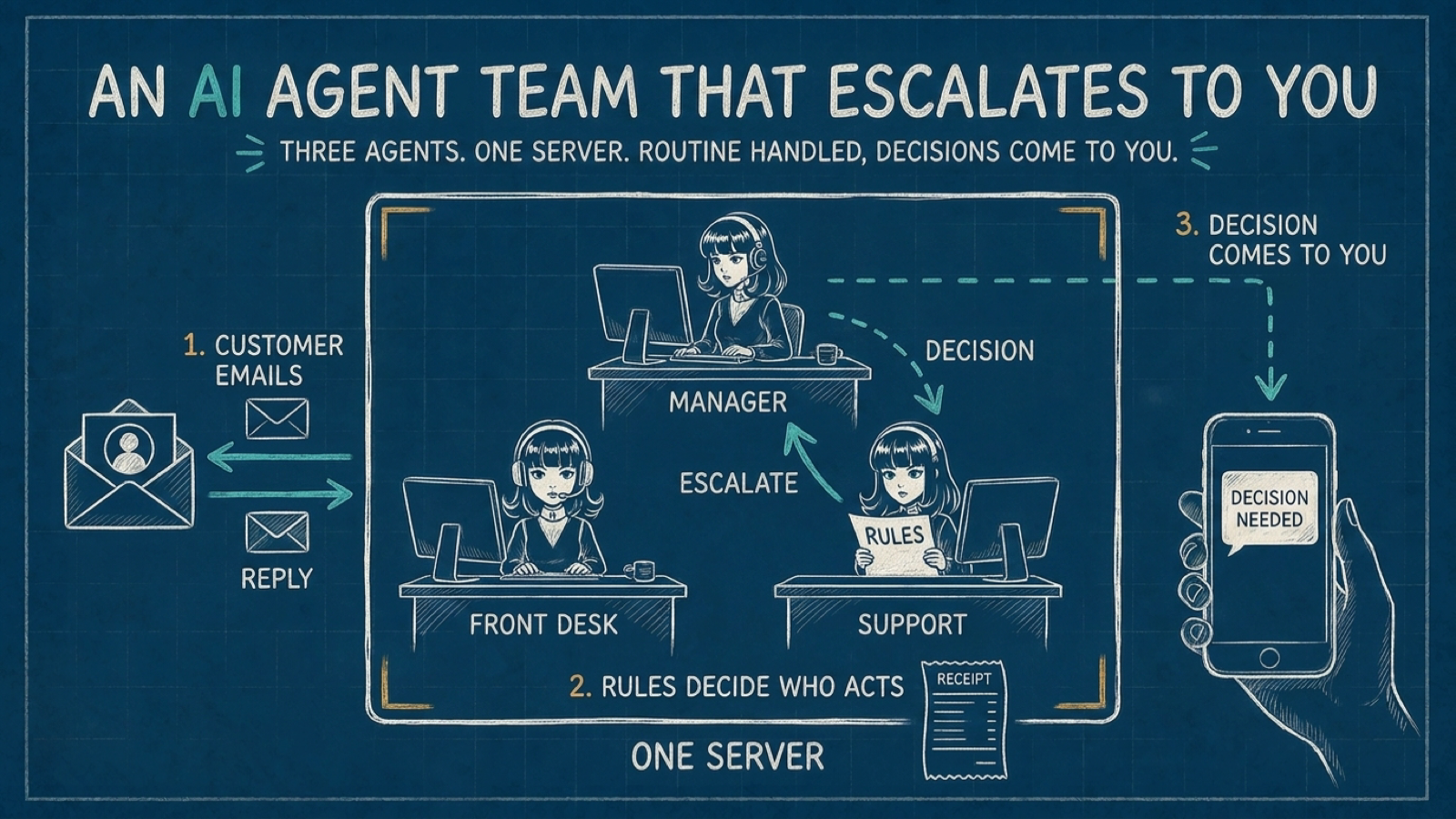
Three Hermes Agent profiles on one server split customer support by authority: the routine answered on its own, the judgment calls brought to you in Telegram. The rules file, the four commands, email both ways, and how to take it to production.
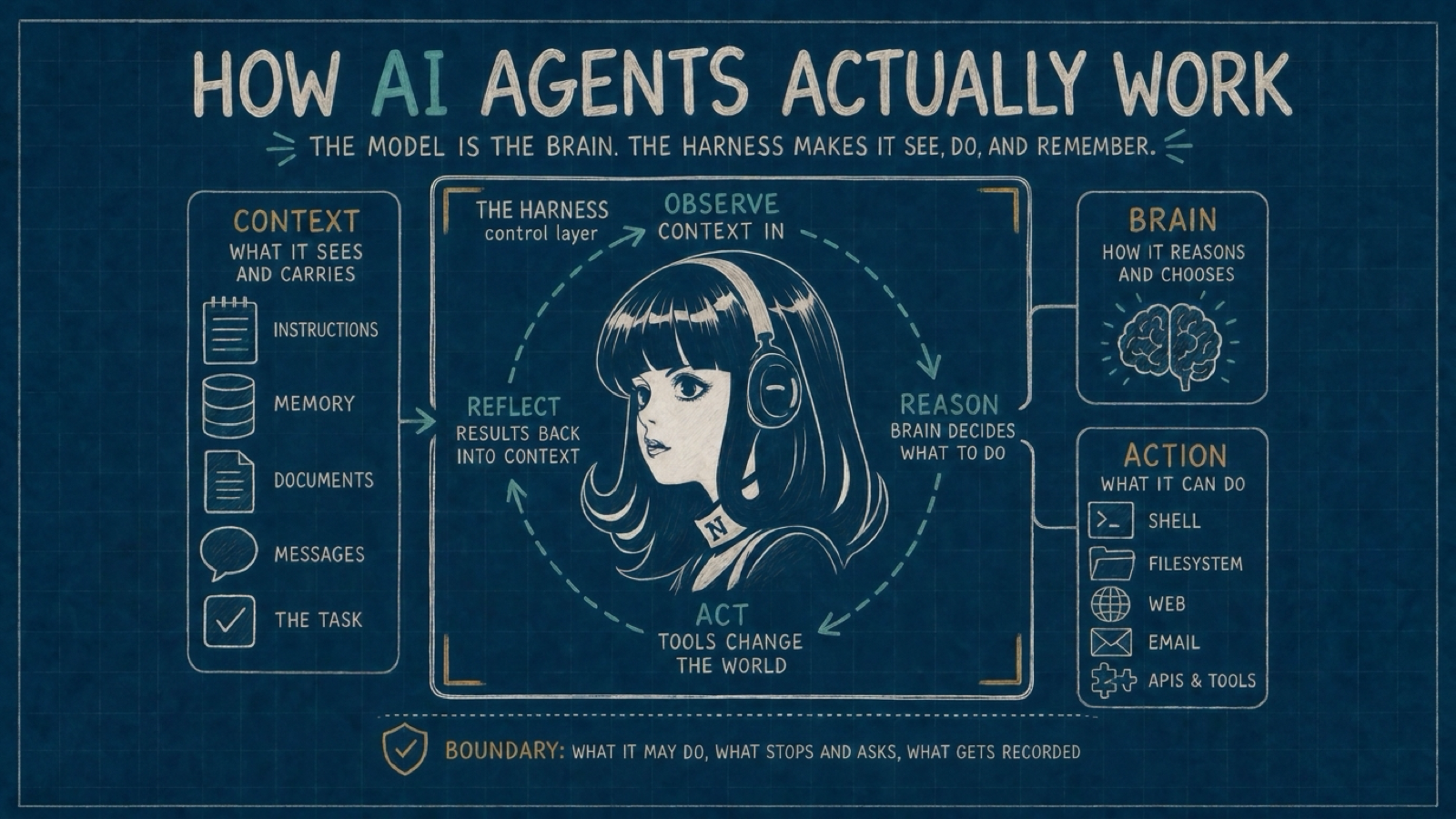
Context, Brain, Action, the loop that runs them, the harness that operates it, and the boundary that is yours — explained on Hermes Agent, where every part is a file you can open.
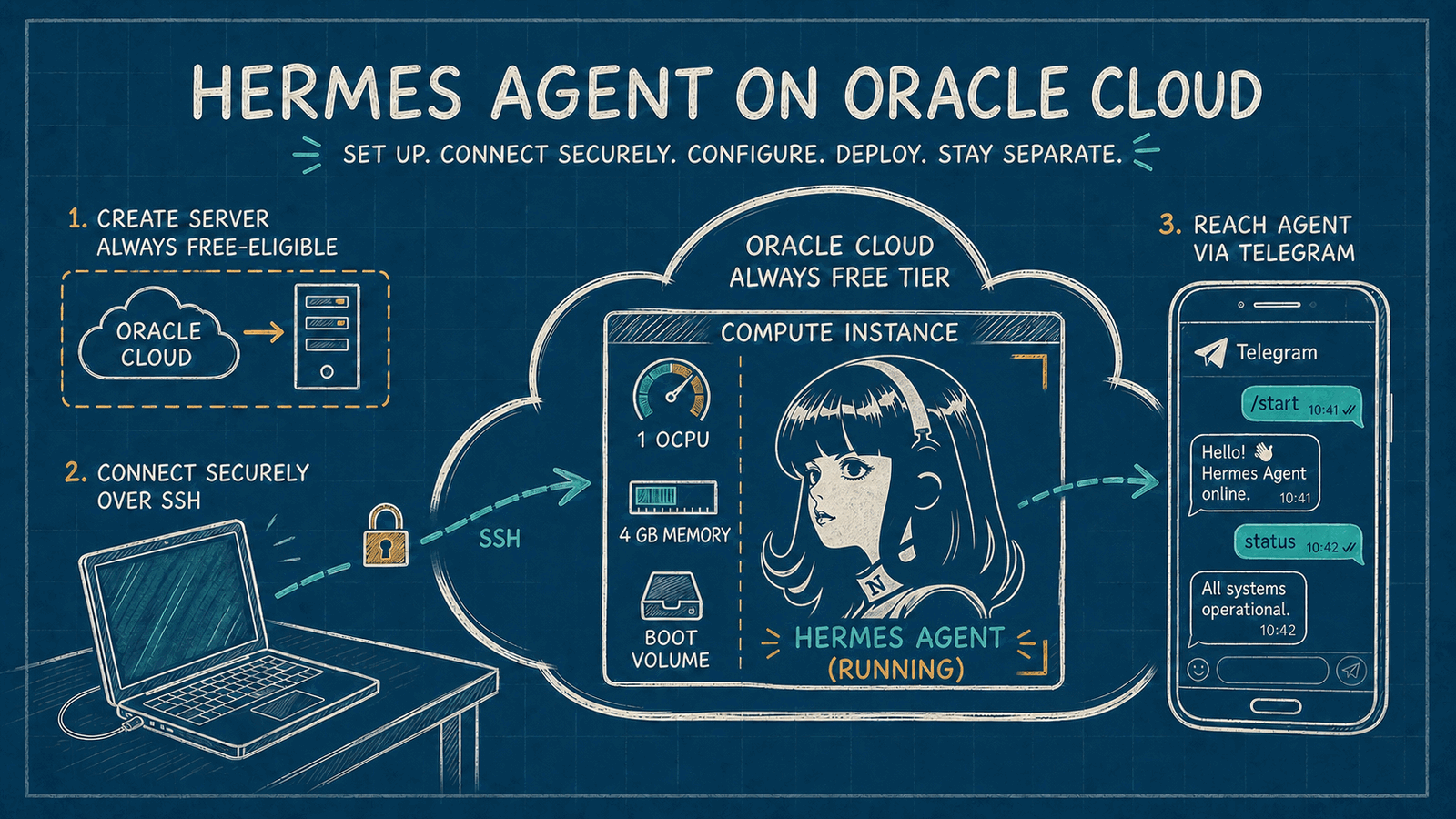
Build a free Hermes Agent server on Oracle Cloud, connect OpenRouter or ChatGPT, add Telegram, and keep its gateway running in the background.
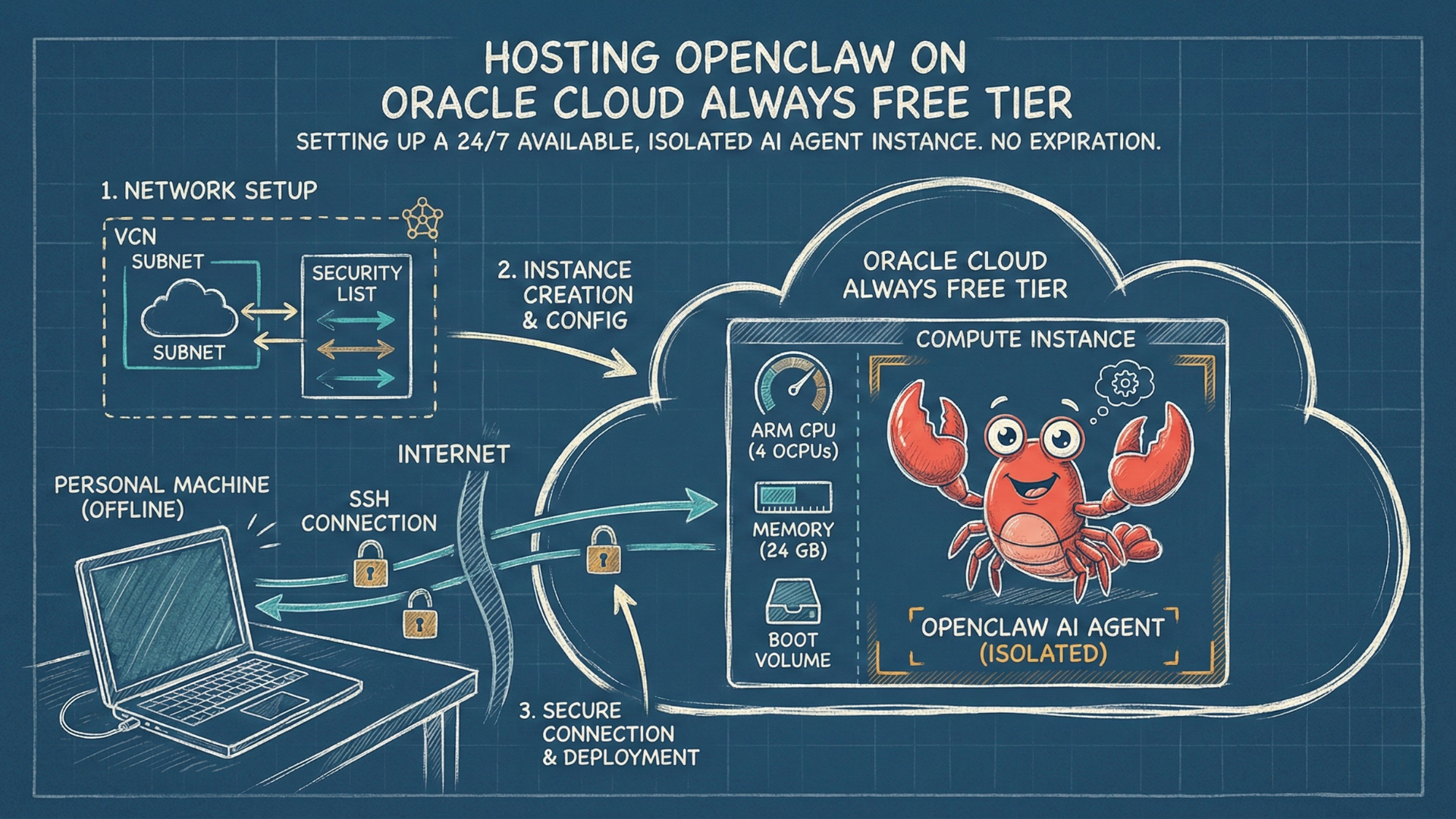
Deploy OpenClaw on Oracle Cloud's Always Free tier — free hosting with enough resources to run multiple instances, isolated from your personal machine.

Turn one real marketing job into a repeatable ChatGPT Work workflow. Watch the walkthrough, then download the prompts, sample data, and a cloud exercise to run it yourself.
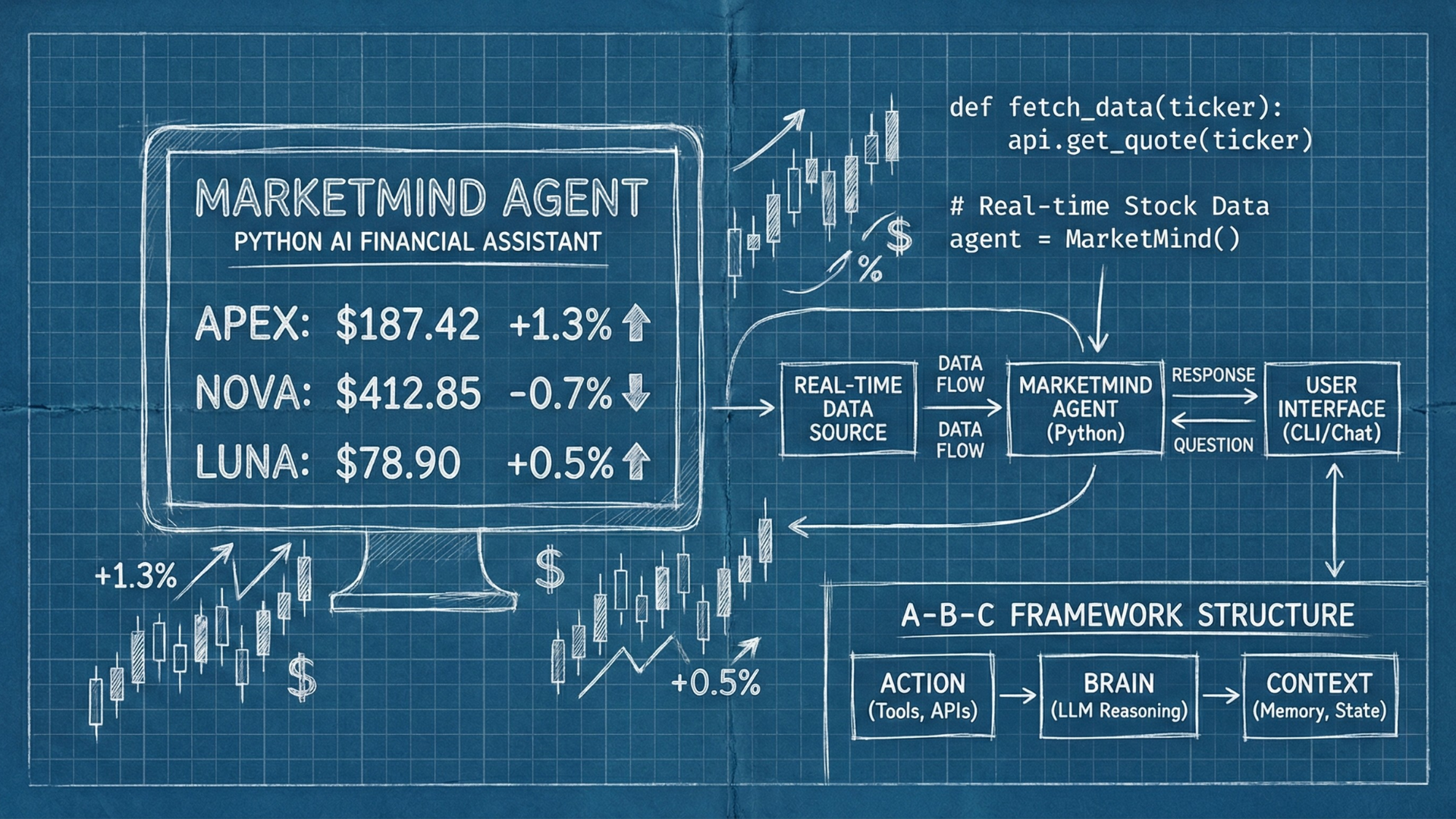
Build an AI financial assistant agent using the OpenAI Agent SDK, Chat Completion API, and Response API. Learn the ABC Framework for agent development.
Start with a specific pain point, not a grand AI strategy. The most successful implementations begin with one clear problem — missed calls, dropped follow-ups, or repetitive admin — and expand from there. Focus on workflows where the cost of manual work is obvious and measurable.
Chatbots handle text — on your website, SMS, or messaging apps. Voice agents handle speech — typically phone calls, but also voice on web or in-app. That's the channel difference.
The bigger distinction is bot vs agent. Traditional bots follow scripts: they answer FAQs and route requests. Agents reason, plan, and take action — answering your main support line 24/7, booking appointments directly into your calendar, or calling leads back when they submit a form. The channel matters, but what the system can actually do matters more.
Not typically. AI agents handle the repetitive, high-volume work that keeps your team from higher-value activities — answering calls at 2am, qualifying leads, handling routine inquiries. They also surface insights: which questions customers ask most, where deals stall, what patterns keep coming up.
Think of them as force multipliers. Your team focuses on complex work, relationships, and judgment calls; the agents handle volume and help you see what you'd otherwise miss. Over time, those patterns show you where to remove friction, improve offers, and grow revenue — without hiring at the same pace.
Well-designed modern AI agents typically improve at two levels. At the platform level, the underlying AI models get more capable as newer versions are released — this happens behind the scenes.
Day to day, most improvement comes from context and feedback. As agents handle more conversations, patterns emerge: which responses resolve issues, which questions come up repeatedly, which handoffs go smoothly. From there, the agent's knowledge gets refined — FAQs updated, examples added for tricky cases, escalation rules tuned.
Over time, agents handle more on their own, escalate less, and support more ambitious use cases.
AI agents work anywhere there are clear patterns and meaningful outcomes per task. Some of the most visible starting points that see strong results include:
But that's just one slice. AI agents also run internal workflows — processing documents, routing approvals, coordinating across systems. And increasingly, they're embedded directly into AI-native products and services.
The better question isn't "which industry?" but "which problems have repeatable patterns and measurable value?" Start there, and over time the applications can expand from operations to insight to growth.
Tell us about your business and what's taking up your time. I'll help you figure out where AI can make a difference.